



Through therapy, you can work on building a new, healthier lifestyle and developing resilience against future relapse. It’s important to complement MAT with counseling and support groups to address the psychological and behavioral aspects of addiction. This paper is a report of https://ecosoberhouse.com/article/what-brain-fog-of-alcoholism-is-and-when-it-goes-away/ the first part of a hybrid model concept analysis study conducted in the University of Social Welfare & Rehabilitation Sciences for a rehabilitation counseling PhD degree. The authors would like to acknowledge all those who cooperated in this research project. Given the multidimensional side effects of addiction, recovery is also multiaxial(biological, psychological, social, and spiritual, beyond abstinence) (5, 10, 18, 20, 22, 23). Recovery refers to an internal and external change in relations, attitudes, thoughts and emotions, or identity change (5, 8, 10, 19, 21-28).
Admissions Process
Experts acknowledge addiction’s multifaceted nature, encompassing physiological, psychological, and social components. A strong support system, adherence to an after-care plan, a recovery-friendly environment, and seeking help during stress reduce the risk of relapse. The Stages of Change model accommodates this ebb and flow in individuals’ progress. Practitioners gauge a client’s stage to understand their readiness for change. Motivational interviewing, aligned with the Stages of Change, acts as a skillful clinical style, motivating clients for behavioral changes that enhance well-being. Central to the TTM is the concept of motivational interviewing (MI), a clinical tool seamlessly integrating with the Sober living home Stages of Change Model.
The Recovery Process
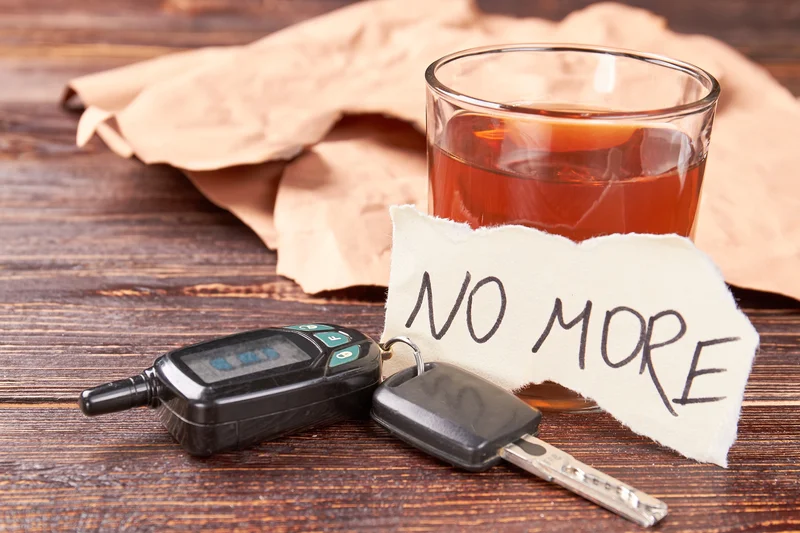
Clinical advances in addiction treatment align with the Stages of Change Model, offering a valuable tool for therapists, counselors, and health professionals facilitating clients’ recovery goals. Stopping drug use is drug addiction recovery just one part of a long and complex recovery process. When people enter treatment, addiction has often caused serious consequences in their lives, possibly disrupting their health and how they function in their family lives, at work, and in the community. Gaining the skills to avoid relapse is a necessary part of the recovery process. At least equally necessary is developing in a positive direction out of the addiction. The key is cultivating new goals and taking measures to move towards them.
Maintaining Hope and Health During Addiction Recovery
- Understanding the stages of recovery helps individuals, families, and clinicians recognize where someone is in their journey and offer the right kind of support.
- Today, Michael has been sober for four years and manages his depression through ongoing therapy and medication.
- Rather than emphasizing powerlessness and embracing a higher power, the SMART Recovery approach emphasizes viewing substance use as a habit that people can learn to control.
Plus, there are certain principles that counselors and therapists on rehab programs can use to guide clients through the recovery process. Understanding the five stages of addiction recovery isn’t just useful for those struggling with substance use — it’s also vital for families, friends, and treatment providers. Recognizing what stage a person is in allows for more effective communication, realistic expectations, and the right kind of support. Rather than pushing someone toward treatment before they’re ready, loved ones can help guide them gently and respectfully, increasing the likelihood of long-term success.
- It can be as simple as finding a support group, continuing a certain amount of therapy sessions, or even creating a new habit like making the bed every day.
- A successful lawyer with a loving family, Tom managed to maintain the façade of a normal life while battling a severe alcohol dependency.
- Research suggests that 12-step interventions and mutual support groups can be essential in recovery.
- This finding can provide an insight for researchers to clarify the definition of recovery before designing the research.
- When you’re ready to reach out, please contact our free, confidential, and no-obligation helpline at to speak to a caring admissions navigator about your therapy and treatment options.
David Hampton, Certified Professional Recovery Coach, shares his personal story with addiction and nearly 20-year long recovery journey. Within the initial 24 hours of treatment, you will have a history and physical completed by an addiction medicine provider and you will have an initial meeting with a counselor. Within 72 hours you will be assigned a specific counselor and psychiatric provider that will oversee your care with the treatment team. The truth is, life after rehab will be different, but that’s not a bad thing! Using the skills you acquired during treatment and making significant changes can lead you to a happier, more fulfilling life.

Inpatient Treatment

Addiction develops over time, in response to repeated substance use, as the action of drugs changes the way the brain responds to rewards and disables the ability to control desire for the drug. The Center for Dependency, Addiction and Rehabilitation (CeDAR) is UCHealth’s premier facility for addiction treatment in Colorado. Our innovative, evidence-based, inpatient and outpatient programs not only save lives, they provide a meaningful foundation for long-term recovery from addiction. Many individuals quitting substance abuse will need to go through detox as their bodies work on rebalancing their natural chemicals. Depending on your needs, detox services are provided at inpatient and outpatient levels.
What Does It Mean To Have a Substance Abuse Problem?
Recovery from addiction is not a linear process, and increasingly, relapse is seen as an opportunity for learning. Such triggers are especially potent in the first 90 days of recovery, when most relapse occurs, before the brain has had time to relearn to respond to other rewards and rewire itself to do so. Learning what one’s triggers are and acquiring an array of techniques for dealing with them should be essential components of any recovery program. Although addiction tends to cut people off from longtime friends, social support is a significant predictor of recovery. They may know something about the person’s deepest aspirations and voice them as a reminder that can help the person remain on the road to recovery.
Alternatives to 12-Step Recovery Programs
If people stop following their medical treatment plan, they are likely to relapse. Sustaining behavior change until new patterns become ingrained is difficult under the best of circumstances. In leaving addiction behind, most people have to restructure their everyday life, from what they think about and who they spend time with and where, to how they use their time, to developing and pursuing new goals. The shifts in thinking and behavior are critical because they lay the groundwork for changes in brain circuity that gradually help restore self-control and restore the capacity to respond to normal rewards. Our wide range of treatments relies on research into emerging therapies. We personalize our treatment plans to meet the individual needs of you or your loved ones.
What If Relapse Occurs?
After rehab, the critical thing to remember is to take things one small step at a time. These 12-step programs are available both in rehab and after rehab is finished, so recovering addicts can continue their 12-step work even after completing their rehab program. Support groups such as Alcoholics Anonymous (AA) and Narcotics Anonymous (NA) are programs consisting of 12 progressive steps that guide individuals in sobriety.

Leave A Comment